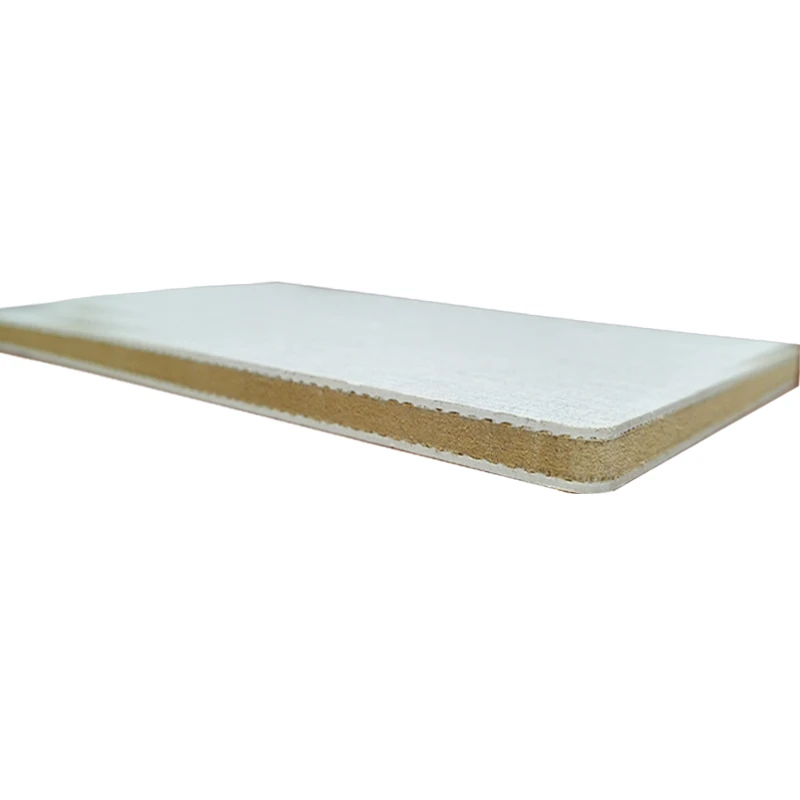
How to Install SPC Wall Panels: A Step-by-Step Guide
Oct. 06, 2026
Understanding SPC Wall Panels
What are SPC Wall Panels?
SPC wall panels are a type of vinyl siding made from stone plastic composite. They offer enhanced durability, water resistance, and are easy to maintain, making them an ideal choice for both residential and commercial applications.
Required Tools for Installation
Gather Your Tools
To ensure a successful installation of SPC wall panels, you will need the following tools:
- Measuring tape
- Utility knife
- Level
- Pry bar
- Adhesive or fasteners
- Caulk gun
- Safety goggles
- Dust mask
Step-by-Step Installation Process
First Step: Prepare the Wall Surface
Before you begin installation, ensure that the wall surface is clean, dry, and free of any debris. Remove any old coverings or obstructions that may interfere with the installation.
Second Step: Measure and Cut the Panels
Measure the wall space that will receive the SPC wall panels. Mark cutting lines on the panels, and use a utility knife to cut them to the appropriate size.
Third Step: Apply Adhesive or Fasteners
Using either a suitable adhesive or fasteners, begin securing the panels to the wall. Start at the bottom and work your way up, ensuring that they are level. For adhesive, apply even coverage to the back of each panel.
Fourth Step: Install the First Row
Attach the first row of panels to the wall, ensuring they are tightly fitted together. Check for alignment and make adjustments as necessary.
Fifth Step: Continue Installing Additional Rows
Once the first row is complete, continue installing additional rows. Stagger the seams of the panels for a more natural look and added structural integrity.
Sixth Step: Finish with Trimming and Caulking
Trim any excess panel length at the top or sides as needed. Use caulk to seal edges where panels meet other structures to provide a finished look and improve water resistance.
Common Mistakes to Avoid
Overlooking Surface Preparation
Ensure the wall surface is properly prepared. Failing to do so can lead to poor adhesion and a less durable installation.
Improper Measurements
Double-check all measurements before cutting panels. Incorrect measurements can waste materials and cause fitting issues.
Neglecting to Use Appropriate Adhesive
Use the recommended adhesive or fasteners suitable for SPC panels to ensure a strong bond.
Skipping Caulking
Don’t forget to apply caulk at seams and edges to prevent moisture intrusion, which can lead to damage over time.
Conclusion
Installing SPC wall panels can be a straightforward DIY project if approached with the right tools and steps. By following this detailed guide, you'll be able to achieve a professional-looking finish. For quality SPC wall panels, consider Novabex for your next project. Visit us at Novabex for more information.
Latest News
-
Oct. 08, 2026
Acoustic Star Ceiling Panels: Lighting and Sound Absorption Combined
In modern interior design, achieving a balance between aesthetics and functionality is paramount. Acoustic star ceiling panels act as a revolutionary solution, providing high-quality sound absorption while enhancing the visual appeal of any space with stunning lighting effects. This article explores how these panels can significantly improve both acoustic performance and ambient lighting,
-
Oct. 07, 2026
Fiber Optic Star Ceiling Panels vs LED Star Ceiling Panels
Star ceiling panels have gained popularity in modern interior design, offering a unique ambiance and aesthetic appeal. They can transform any space into a serene environment, reminiscent of a starry night sky. In this article, we will compare fiber optic and LED star ceiling panels, helping you make an informed decision on which option best suits your needs.
-
Oct. 07, 2026
How to Choose the Right Aluminum Honeycomb Panel Thickness
When selecting Aluminum Honeycomb Sandwich Panels, users often grapple with a range of issues, including insufficient strength, incorrect sizing, and inadequate thermal insulation properties. The right thickness can significantly affect performance, durability, and cost-efficiency. A common scenario involves a construction manager whose project failed to meet building regulations due to