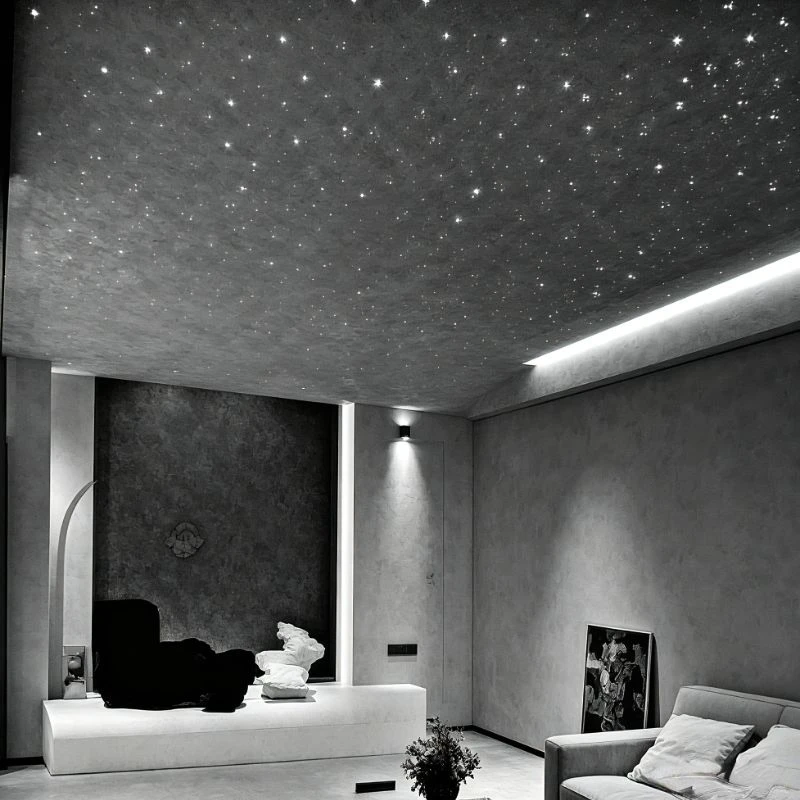
Fiber Optic Star Ceiling Panels vs LED Star Ceiling Panels
Oct. 07, 2026
Introduction to Star Ceiling Panels
Understanding the Appeal of Star Ceiling Panels
Star ceiling panels have gained popularity in modern interior design, offering a unique ambiance and aesthetic appeal. They can transform any space into a serene environment, reminiscent of a starry night sky. In this article, we will compare fiber optic and LED star ceiling panels, helping you make an informed decision on which option best suits your needs.
Core Parameters Comparison
Key Specifications of Fiber Optic and LED Panels
| Parameter | Fiber Optic Panels | LED Panels |
|---|---|---|
| Installation Complexity | Moderate | Easy |
| Brightness | Soft Glow | Adjustable Intensity |
| Energy Efficiency | Moderate | High |
| Lifespan | 10-20 Years | 25,000+ Hours |
Actual Use Experience
Assessing Battery Life, Stability, and More
Users have varying experiences with fiber optic and LED panels based on their specific requirements. Here’s a detailed breakdown:
- Battery Life: LED panels often come with longer battery life and energy-efficient options, making them more suitable for various applications.
- Stability: Fiber optic panels are less likely to suffer from flickering or dimming issues, while LED may require more consistent power supply for optimal performance.
- Ease of Use: LED star ceiling panels usually feature user-friendly controls, enabling easy adjustments in brightness and color settings.
Advantages and Disadvantages
Evaluating the Pros and Cons of Each Panel Type
Fiber Optic Panels
- Advantages:
- Beautiful soft glow that mimics real stars.
- Long lifespan with minimal maintenance.
- Less susceptible to electrical issues.
- Disadvantages:
- More complex installation process.
- Higher initial costs compared to LEDs.
- Advantages:
- Energy-efficient with adjustable brightness.
- Simpler installation and setup.
- Variety of colors and effects available.
- Disadvantages:
- Potential flickering if not properly stabilized.
- Component lifespan may be shorter than fiber optics.
- Residential Spaces: Fiber optic panels are ideal for home theaters or bedrooms seeking a calm ambiance.
- Commercial Spaces: LED panels are perfect for restaurants or lounges looking to create dynamic environments with customizable lighting options.
- Budget Considerations: If upfront costs are a concern, LED panels may provide a more budget-friendly solution.
LED Panels
Suggestions for Applicable Groups
Which Style Suits Your Needs?
Choosing the right type of star ceiling panel often depends on the specific needs of the user:
Conclusion: Making the Right Choice with Novabex
Both fiber optic and LED star ceiling panels have their unique advantages and disadvantages. Your choice will ultimately depend on personal preferences, space requirements, and budget. At Novabex, we offer high-quality star ceiling solutions tailored to fit your needs. Explore our products and discover how you can create your dream ambiance at Novabex.
Latest News
-
Oct. 08, 2026
Acoustic Star Ceiling Panels: Lighting and Sound Absorption Combined
In modern interior design, achieving a balance between aesthetics and functionality is paramount. Acoustic star ceiling panels act as a revolutionary solution, providing high-quality sound absorption while enhancing the visual appeal of any space with stunning lighting effects. This article explores how these panels can significantly improve both acoustic performance and ambient lighting,
-
Oct. 07, 2026
Fiber Optic Star Ceiling Panels vs LED Star Ceiling Panels
Star ceiling panels have gained popularity in modern interior design, offering a unique ambiance and aesthetic appeal. They can transform any space into a serene environment, reminiscent of a starry night sky. In this article, we will compare fiber optic and LED star ceiling panels, helping you make an informed decision on which option best suits your needs.
-
Oct. 07, 2026
How to Choose the Right Aluminum Honeycomb Panel Thickness
When selecting Aluminum Honeycomb Sandwich Panels, users often grapple with a range of issues, including insufficient strength, incorrect sizing, and inadequate thermal insulation properties. The right thickness can significantly affect performance, durability, and cost-efficiency. A common scenario involves a construction manager whose project failed to meet building regulations due to